
Thyroid Disorders
Assessment and management of thyroid conditions affecting hormone production and metabolism.
- Hypothyroidism
- Hyperthyroidism
- Goitre and thyroid nodules
Meet the minds who lead with care and treat with heart. Their expertise heals, their empathy comforts.
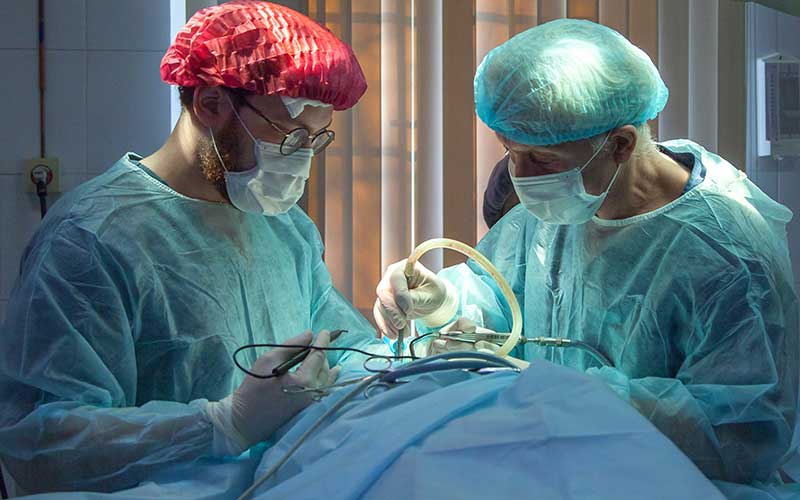
Bayhealth Hospital offers Endocrinology services for patients with Endocrine disorders. Endocrinology is a branch of medicine that relates to the endocrine system which controls hormones. Endocrinologists treat people who suffer from hormonal imbalances. Our Endocrinologist runs a clinic every Friday morning.
Our Endocrinology service provides specialist assessment, diagnosis, treatment and follow-up for a wide range of hormone-related, glandular and metabolic conditions.

Endocrinology is the medical specialty concerned with hormones and the glands that produce them. Hormones act as chemical messengers and help regulate important processes including metabolism, growth, reproduction, mood and other functions throughout the body.
Our endocrinology team assesses people with suspected or established endocrine conditions, helping to clarify symptoms, investigate possible causes and develop an appropriate plan for treatment and monitoring.
Because endocrine disorders can affect many systems, care may involve collaboration with other specialists and healthcare professionals where appropriate.
Our service may assess and manage a broad range of hormone-related and metabolic conditions. The exact service offered varies by hospital and local pathway.
Assessment and management of thyroid conditions affecting hormone production and metabolism.

Endocrine and metabolic assessment for diabetes and selected disorders of blood glucose regulation.

Investigation of symptoms that may be linked to abnormal hormone levels or endocrine function.

Specialist assessment of disorders affecting adrenal hormone production and function.

Assessment of conditions involving the pituitary gland and its effect on hormone regulation.

Assessment of osteoporosis, parathyroid disorders and problems involving calcium, vitamin D and metabolism.
Hormonal disorders can affect many body systems. Your assessment and treatment pathway depends on your individual condition and local specialist services.
Hypothyroidism, hyperthyroidism, Graves' disease, goitre and thyroid nodules.
Diabetes and selected disorders involving low or unstable blood glucose.
Conditions affecting pituitary hormone production and regulation.
Conditions affecting adrenal hormones, including adrenal insufficiency.
Osteoporosis, parathyroid disorders and calcium or vitamin D imbalance.
Selected conditions involving sex hormones, fertility, puberty and reproductive endocrine function.
Metabolic and weight-related problems where endocrine assessment is clinically appropriate.
Investigation of symptoms where endocrine dysfunction may be contributing to the problem.
Some uncommon or complex conditions may require multidisciplinary or specialist-centre input.
Endocrine symptoms can have several possible causes. Your assessment is tailored to your symptoms, medical history, examination findings and previous results.
Review of symptoms, previous diagnoses, medicines and relevant family history.
Examination appropriate to the suspected endocrine condition.
Hormone levels and other blood tests may be requested when clinically indicated.
Ultrasound, scans or other investigations may be arranged according to the condition.
Complex cases may involve other specialist healthcare professionals.
Thyroid disorders can occur when the thyroid produces too much or too little hormone or when structural changes develop within the gland.
Assessment may include symptoms, examination and thyroid blood tests, with imaging or further specialist investigations where appropriate.
Diabetes is a common endocrine and metabolic condition in which blood glucose levels become too high. Depending on local service arrangements, diabetes care may sit within endocrinology or a dedicated diabetes service.
Care may include reviewing glucose measurements, medicines, lifestyle factors, complications and individual treatment goals.
Your individual pathway may vary according to your diagnosis, referral route and local hospital services.
Referral from your GP, another clinician or an appropriate local pathway.
Discuss symptoms, medical history, medicines and your concerns.
Blood tests, imaging or specialist testing may be arranged if needed.
Treatment, monitoring and follow-up are discussed according to your needs.
Reviews may be arranged for long-term conditions or changes in treatment.
We aim to provide clear communication, appropriate investigations and coordinated care throughout your treatment journey.
Some endocrine problems can become medical emergencies. Severe or rapidly worsening symptoms should be assessed urgently.
In the UK, call 999 or attend the nearest A&E department for a life-threatening or serious emergency.
For urgent but non-life-threatening medical advice, NHS 111 may be appropriate.
NHS 111Arrange a consultation with our healthcare team to discuss hormone-related symptoms, an endocrine diagnosis or ongoing management needs.
34 Wellington St, Leeds LS1 4DL, England, United Kingdom.
contactus@bayhealth.uk
+44-1138689310
2026 © Bayhealth Hospital . All Rights Reserved.
Designed by Techggigs. .